
This year’s GDC felt different.
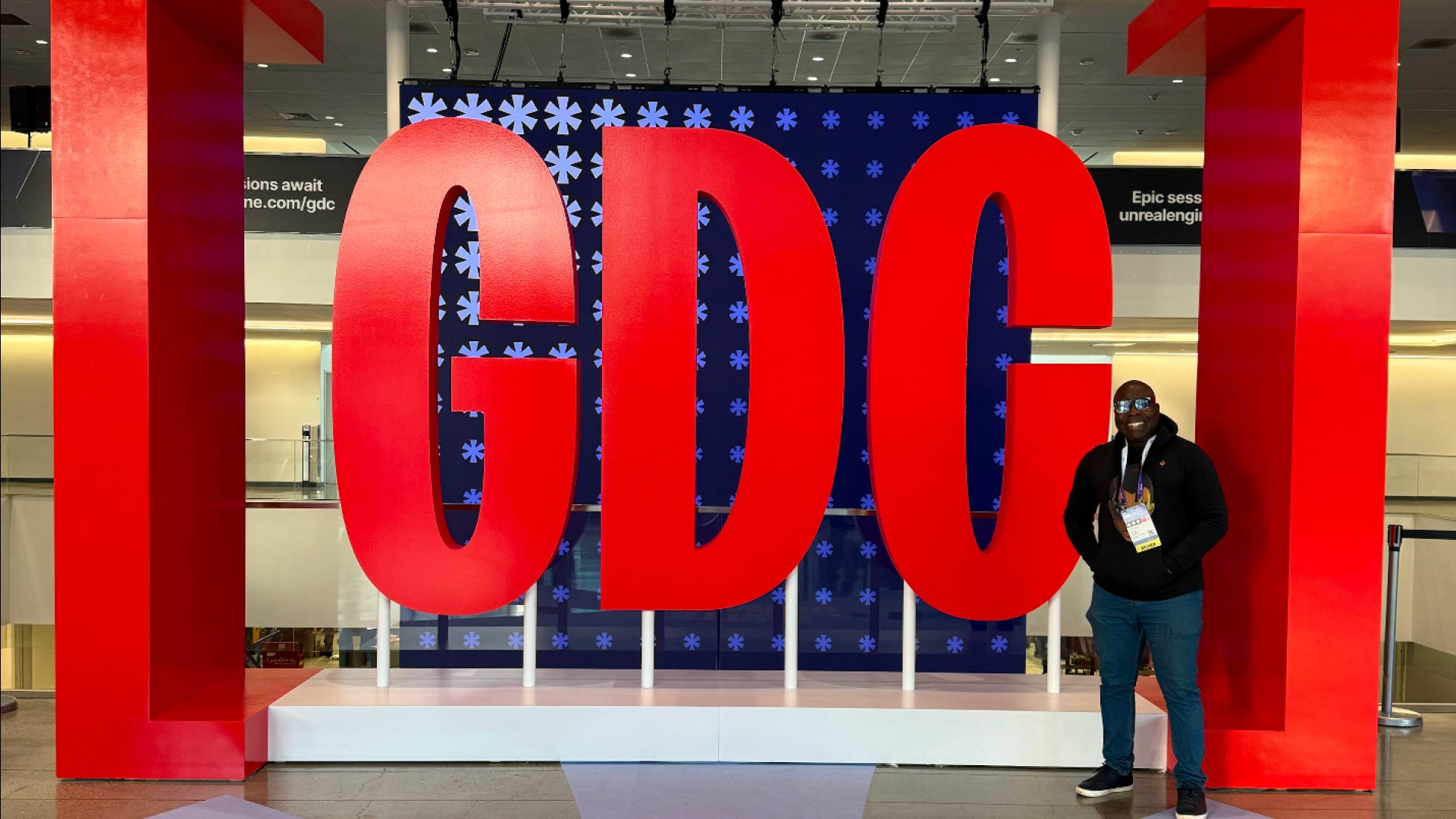
On paper, the numbers were down. Attendance seemed closer to 20,000 rather than the usual 30,000+ that many of us have come to associate with the conference. The halls were less packed, the expo floor felt more breathable, and the city itself did not feel as overwhelmed by the conference machine as in previous years.
And yet, somehow, this was one of the best-feeling GDCs we’ve attended in a long time.
The lower turnout did not make the conference feel weaker. In some ways, it made it feel sharper. The branding was strong, the organization felt more intentional, the meeting spaces were clearer, and the entire atmosphere felt more relaxed and better paced than previous years. There was room to think, room to talk, and room to actually connect. Instead of being swallowed by the sheer density of people, we found ourselves having more focused conversations and more meaningful engagements.
That mattered.
A GDC with better quality conversations
For us, one of the biggest takeaways from this year was that quality beat quantity.
Yes, the turnout was lower. But the relationships, discussions, and meetings felt stronger. we spent a lot of our time in conversations around Karmzah, pitching the project, receiving feedback, and discussing what we’ve been building over the past year. Those conversations were rich. People engaged seriously. They listened. They asked questions. They responded to the originality of the work. And for our founder who has spent years building in a context where simply being taken seriously is often a struggle, that meant a lot.
There is something powerful about realizing that even in a quieter year, the signal can be stronger than the noise.
The Black presence felt strong, and that mattered
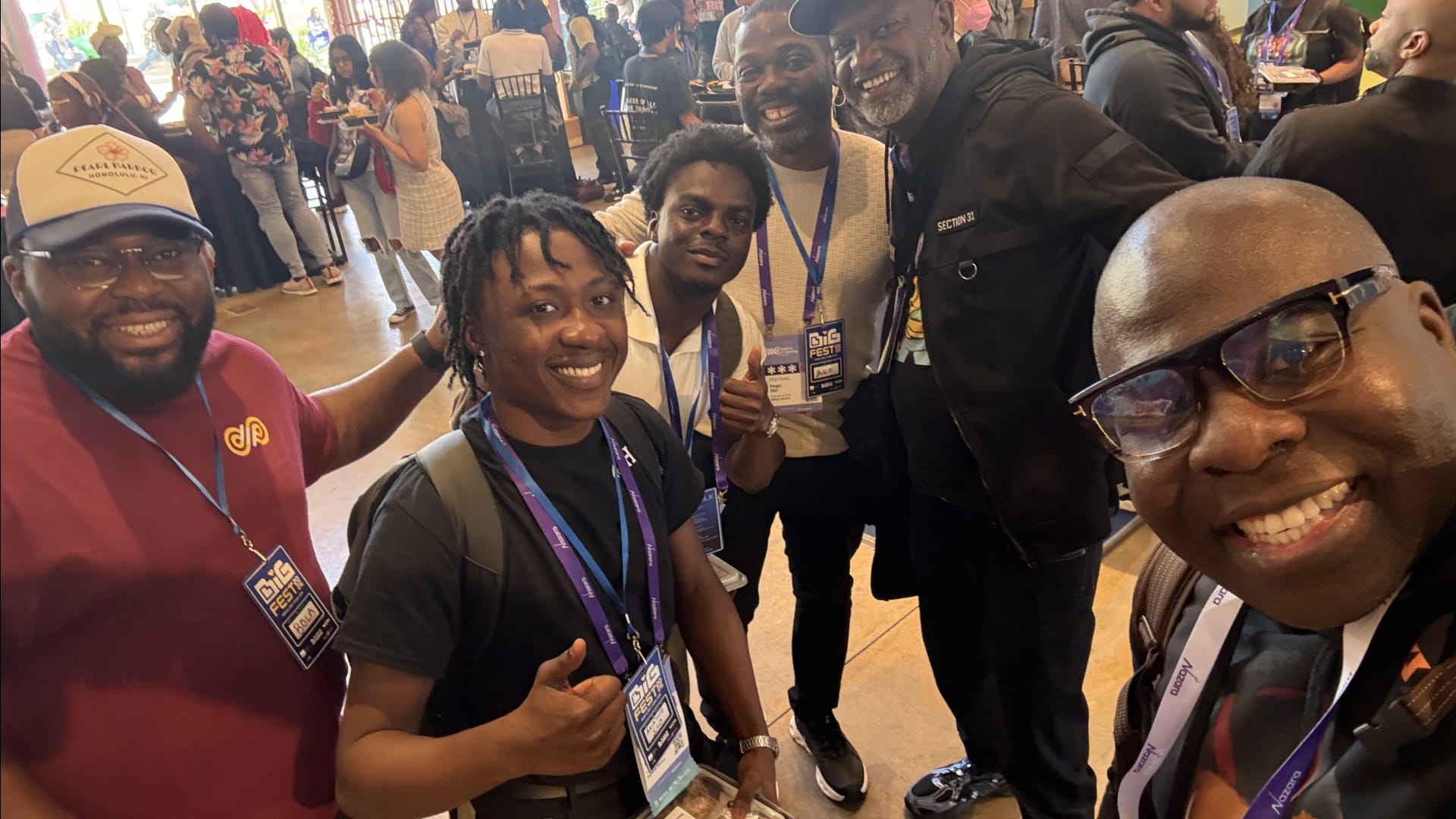
One thing that stood out to us positively this year was the visibility of Black presence across gaming events, mixers, and awards spaces.
We were genuinely happy with that.
The HALP Network mixer, the Mexican mixer, the Xbox mixer, all of these created spaces where Black and underrepresented communities felt seen, welcomed, and meaningfully centered. These gatherings were not side notes. They were some of the most energizing spaces of the week. There was joy in them, but also strategy, solidarity, and cultural ease.
That matters because for many of us, conferences like GDC are never just professional spaces. They are also spaces where you are constantly reading the room, asking where you belong, where you are visible, where you are tokenized, where you are respected, and where you can simply exhale. This year, there were moments and spaces that clearly favored and uplifted our Black community, and I was very glad to see that.
Xbox in particular deserves credit here. It was genuinely exciting to see them pushing forward Black games and Black creators, including featuring titles like Relooted and other cool Black-led projects on their booth and timeline. That was not just good optics. It was meaningful. It signaled that representation, platform support, and visibility can be intentional.
We were very happy that happened.
But African representation still felt thin
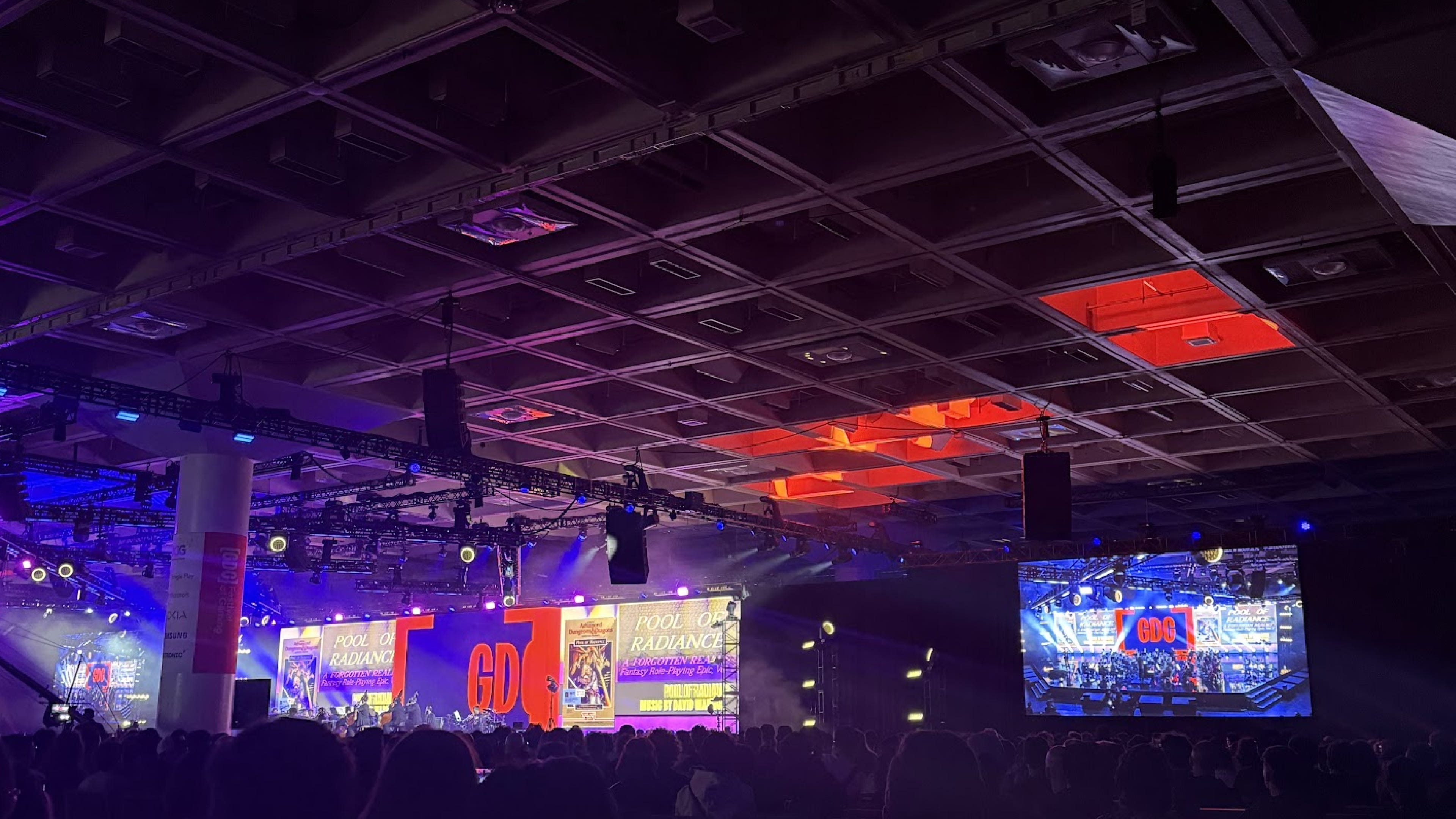
And yet, despite the stronger Black presence overall, we did not feel there was enough African representation at GDC this year.
That stayed with us throughout the week.
There were Africans there, of course. We were present. We were speaking, meeting, pitching, and showing up. But compared to what we believe is needed, it still felt too light, too fragmented, and not prominent enough.
That has consequences.
African game development has reached a point where we should no longer be appearing only as isolated individuals in global spaces. We need more visible, coordinated, and confident representation, not just to be seen, but to shape the conversation. If African studios are not physically and collectively present in these rooms, then progress becomes slower, more individualized, and easier to overlook.
So does Africa need to be at GDC to succeed?
Our honest answer is: not entirely, but yes, strategically.
No, in the sense that African game development should not depend on GDC for its legitimacy. We must build our own ecosystems, strengthen our own markets, and create our own durable structures of growth. But yes, because GDC still sits at a major global intersection of capital, publishing, platforms, visibility, and industry narrative. You do not have to be at GDC to make games. But if you want to influence how African games are perceived, funded, and positioned globally, then GDC still matters.
And that is why we feel strongly that next year, Africa needs to show up with more weight, more visibility, and more prominence.
A quieter conference, but not an empty one
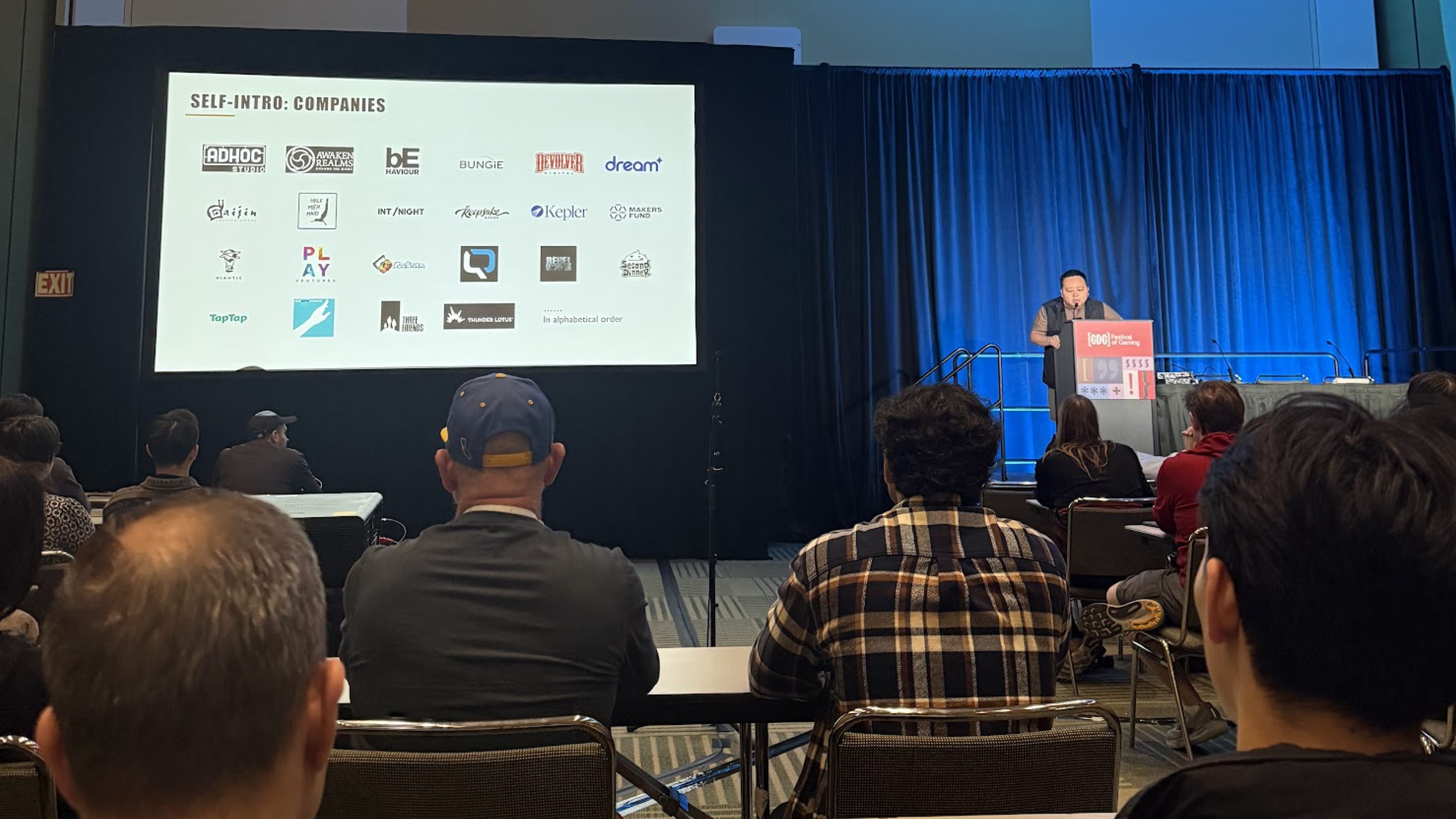
The lower turnout was noticeable. The expo was not packed in the way we have seen in busier years, though there were still many interesting exhibitions and activations. We personally did not have enough time to experience everything. The conference still had plenty to offer. It just felt less congested, less frantic, and a bit less performative than usual.
In some ways, we welcomed that.
There has been a tendency in recent years for big game conferences to become overly saturated, too much motion, too much noise, too much pressure to “be everywhere.” This year felt more breathable. More intentional. More navigable. And that likely helped with the quality of relationships and meetings people were able to build.
Why were numbers lower? There are likely multiple reasons: global wars and instability, immigration and ICE-related anxieties, rising travel and accommodation costs, and the increasing competition of other conferences and gatherings across the year. These are not minor factors. They affect who can travel, who feels safe traveling, and who can justify the expense.
But what we found interesting is that GDC did not collapse under a lower turnout. Instead, it adapted quite well.
In fact, we appreciated the festival-like approach this year. It felt like GDC was trying to widen the entry point, to encourage newer attendees, students, and emerging developers to feel included, rather than allowing the event to become only for elite insiders. That is a healthy direction. If the future of games is to be more inclusive, then the structures of its biggest conference should reflect that.
Our talk and what it confirmed for us
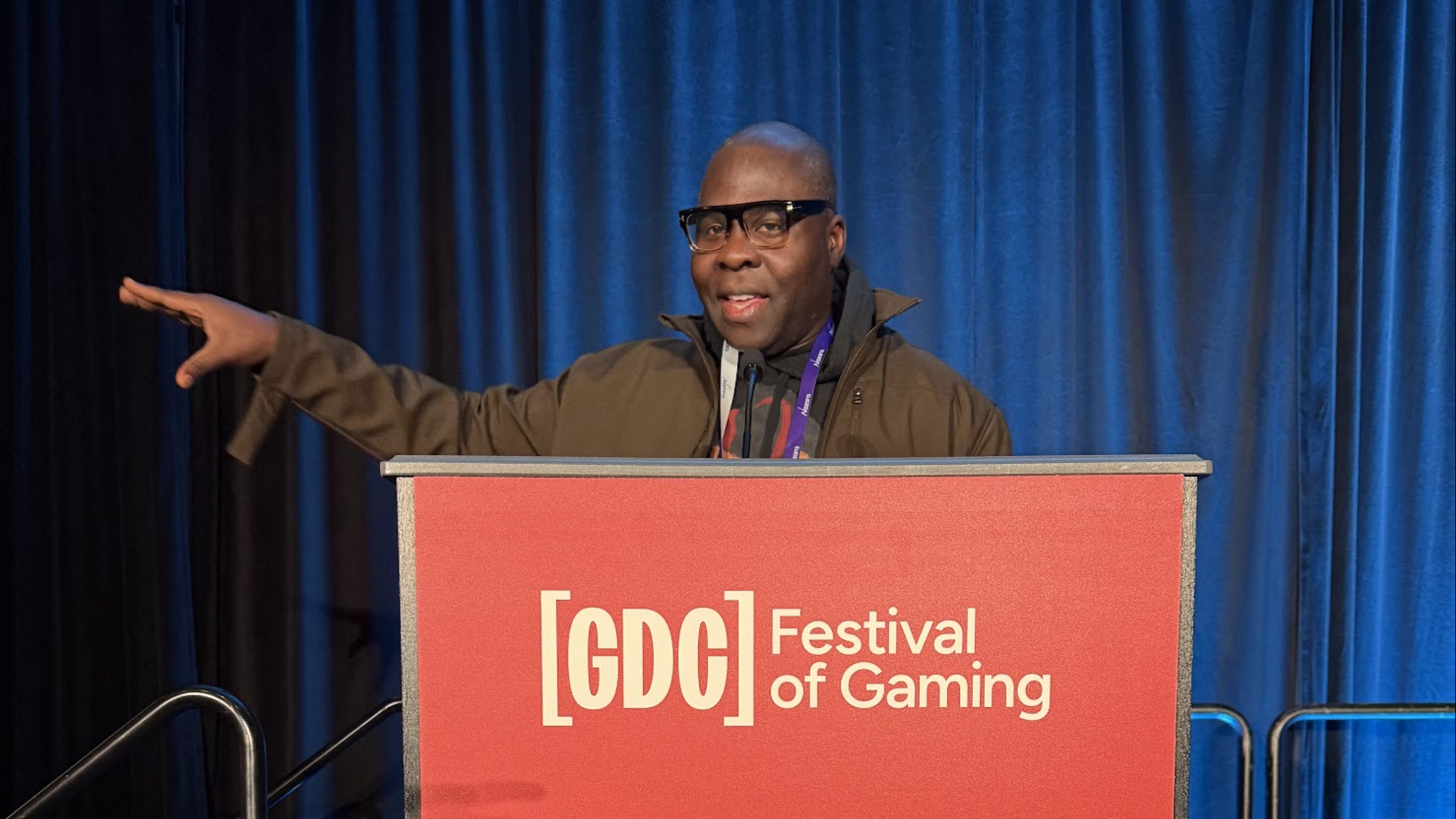
One of the most meaningful parts of the week for us was our talk, which was given by our CEO and Co Founder Eyram Tawia.
He spoke on Decolonizing Play, and the response was deeply encouraging. There were so many questions, and we were proud to answer most of them. The room had energy. People were engaged. They were curious. They were pumped up.
And what struck us most was this: people want to hear from African developers.
Not just about identity. Not just about representation. But about technology, innovation, pipelines, and successful game development. They want to hear how we build, how we solve, how we design, and how we imagine. That is important because it pushes back against the tendency to reduce African participation in games to a purely cultural or symbolic category.
We are not only here to represent.
We are also here to innovate.
In our talk, we tried to make it clear that decolonizing play is not simply criticism. It is not a rejection of collaboration. It is a call to refine collaboration. To make it fairer, more intentional, and more structurally aware.
Because while many good things are happening, we also face a real risk: that if global collaborations are not rethought carefully, they can drift into a form of digital colonialism, where the language of inclusion masks unequal control over funding, platforms, authorship, and value. That is one of the research questions that keeps staying with me: how to support genuine exchange without reproducing familiar hierarchies under new digital forms.
The audience seemed to understand that. That gave us hope.
The larger thought that stayed with us
If there was one thought that stayed with us throughout the week, it was this:
The appetite for African games is growing, but the support systems still need to catch up.
There is interest.
There is curiosity.
There is goodwill.
There is visible excitement.
But excitement alone is not enough.
To make this industry a success—especially for Africa—we need healthy investment, serious long-term backing, stronger pipelines, and the kind of competition that pushes quality upward without breaking the few studios already carrying so much of the burden. We need growth, yes, but growth with structure. We need collaboration, but not dependency. We need visibility, but also ownership.
The past years of building this industry have not been easy. Those of us who have been doing this work for a long time know how much has had to be carried on belief, passion, and sheer stubbornness. That is why moments like GDC still matter to me. They allow you to pause and see how far things have come, even if there is still a very long way to go.
And we should be proud of that.
Final thoughts
So how do we feel after GDC 2026?
Honestly: encouraged.
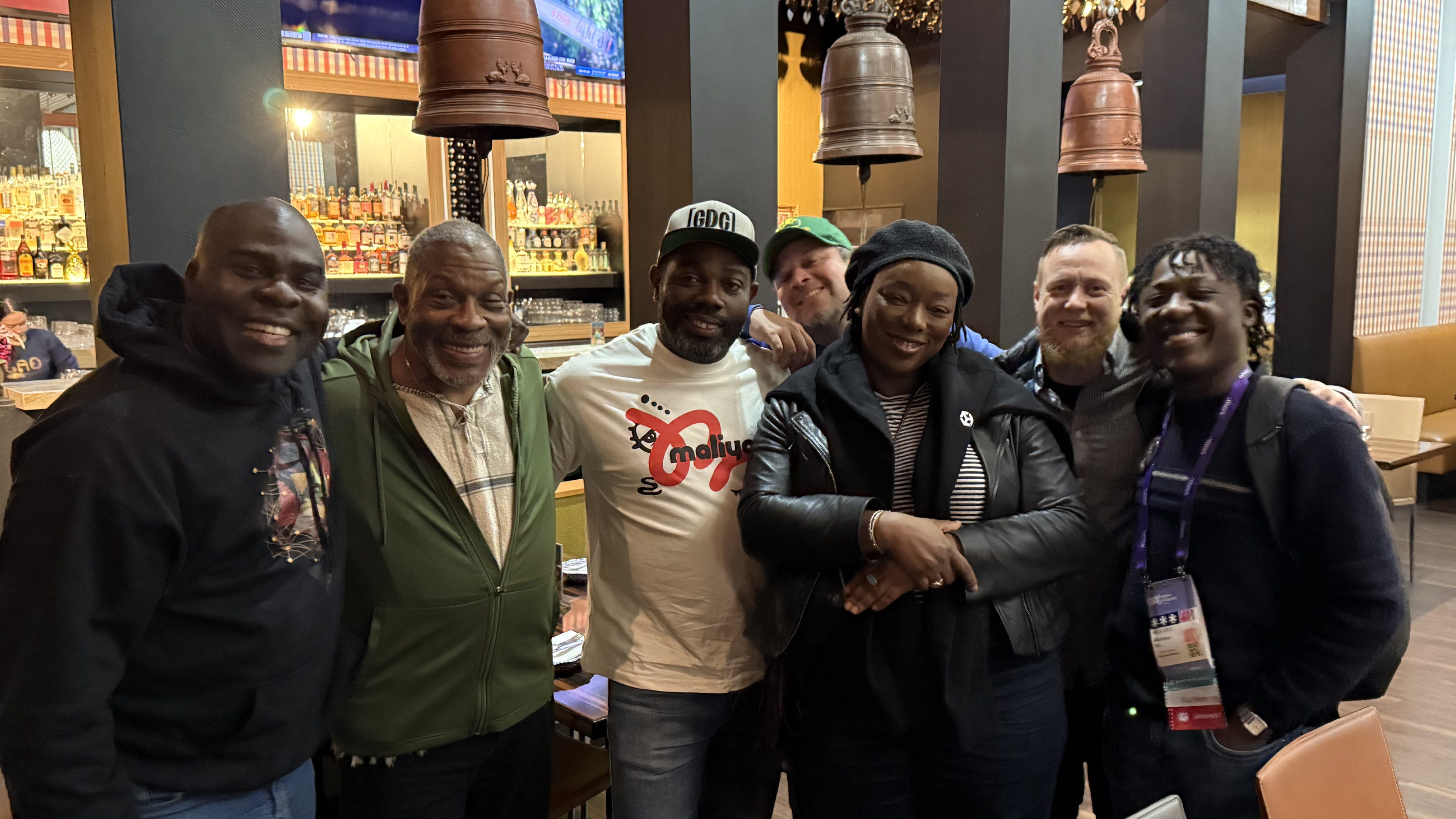
It was a lower-turnout GDC, yes. But it was also a well-organized, well-branded, relationship-rich, and emotionally strong one. The atmosphere was lighter. The meetings were better. The Black presence across key events felt powerful. Xbox’s visible support of Black-led games was genuinely exciting. Our conversations around Karmzah were meaningful and affirming. And our talk reminded us that African developers are not only wanted in these spaces, they are needed.
At the same time, we left with one clear conviction:
Africa needs to come bigger next year.
Not just present.
Not just invited.
But prominent.
Because if this industry is truly going to become global, then African games cannot remain an occasional curiosity. We need to be part of the main architecture of its future.
And we believe that future is possible.